
Executive Summary of Collection and Recycling Rate Index of Plastic Waste in Indonesia (English and Bahasa Indonesia Version)
Dokumen-dokumen berikut tersimpan di Google Drive: Executive Summary of Collection and Recycling Rate Index of Plastic Waste in Indonesia (English and Bahasa Indonesia Version) (Bagian 1) Executive Summary of Collection and Recycling Rate Index of Plastic Waste in Indonesia (English and Bahasa Indonesia Version) (Bagian 2)
Collection and Recycling Rate Index of Plastic Waste in Indonesia
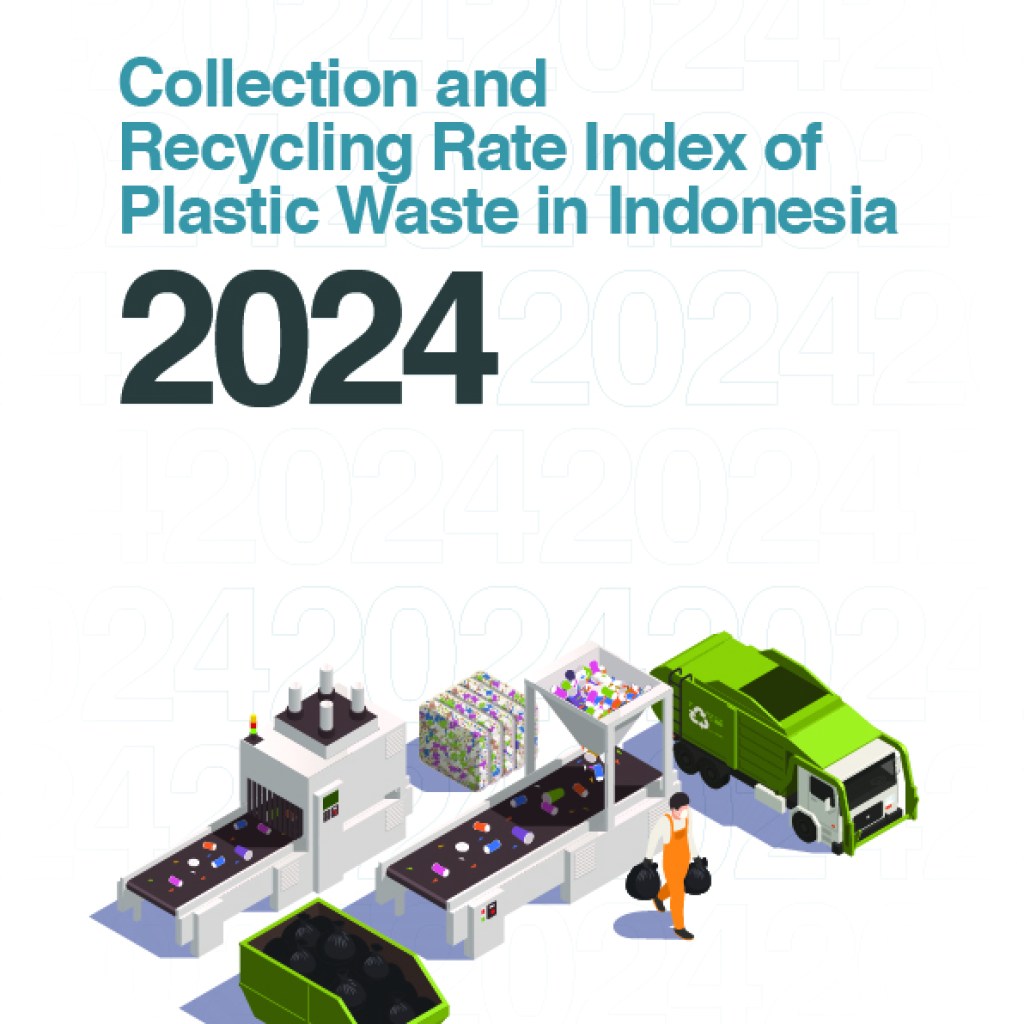
Dokumen-dokumen berikut tersimpan di Google Drive: Collection and Recycling Rate Index of Plastic Waste in Indonesia (Bagian 1) Collection and Recycling Rate Index of Plastic Waste in Indonesia (Bagian 2) Collection and Recycling Rate Index of Plastic Waste in Indonesia (Bagian 3)
Rilis Buku: Dari Krisis TPA ke Solusi Berkelanjutan
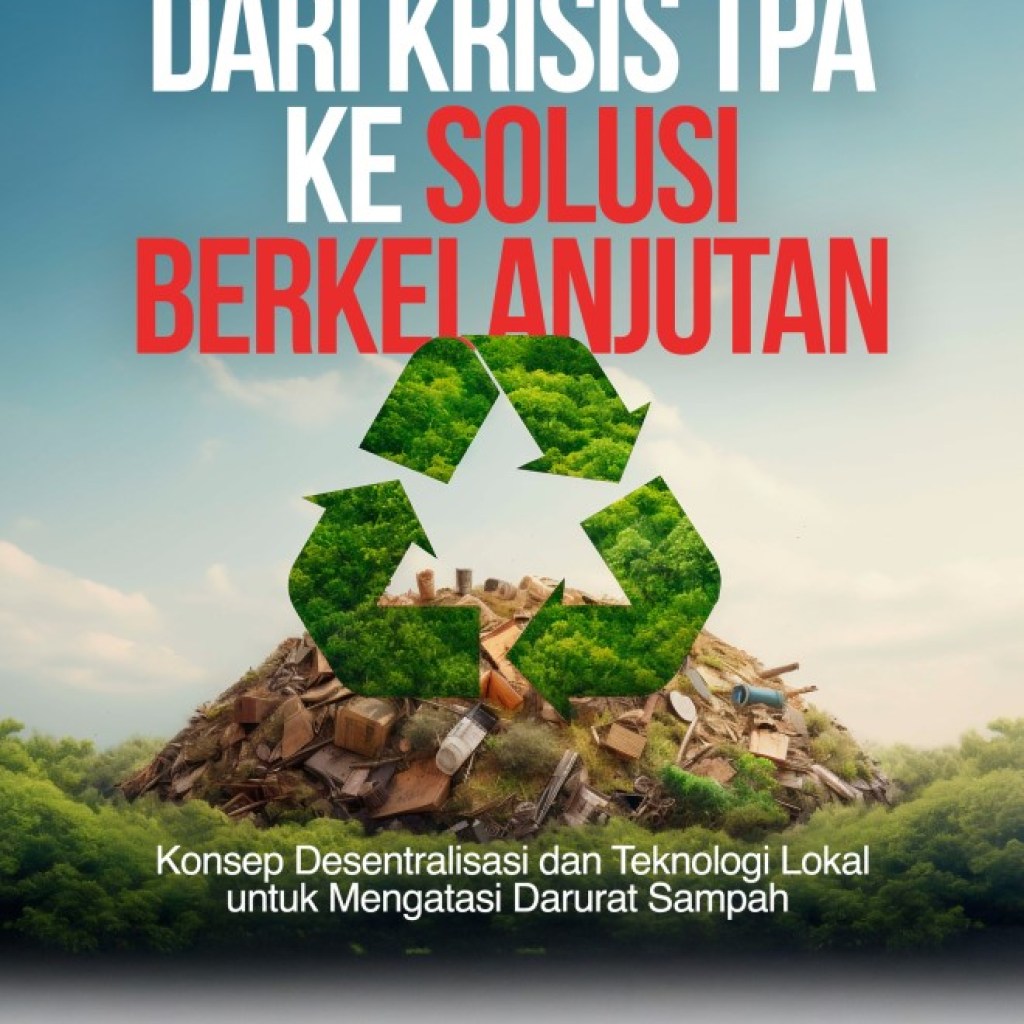
Dokumen ini tersimpan di Google Drive. Rilis Buku: Dari Krisis TPA ke Solusi Berkelanjutan
Household Waste Processing Research Program
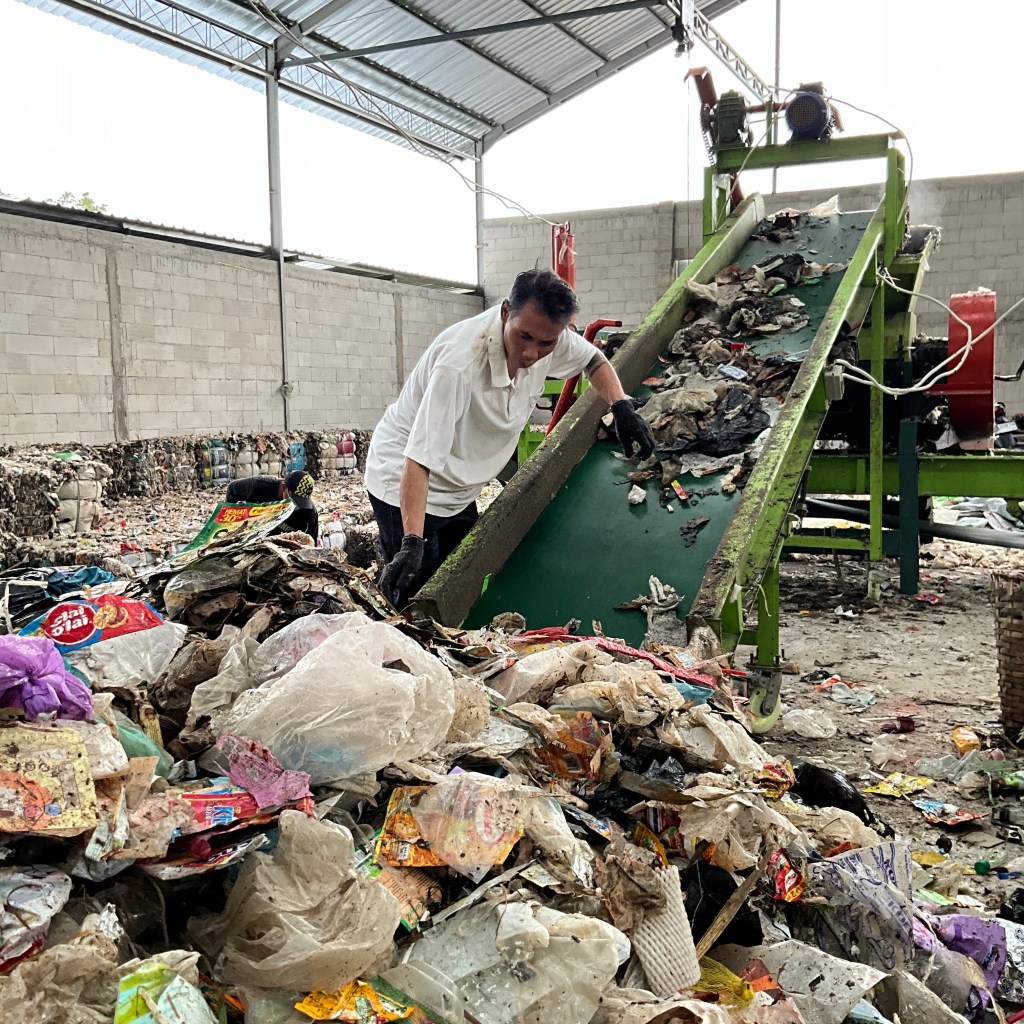
Collaboration of:Sustainable Waste IndonesiaBakti Bumi Bakti Bumi has long been a steadfast and dedicated player in the waste industry. While its inaugural waste processing facility, TPS3R in Sidoarjo, took root in 2015, the company’s involvement in plastic recycling predates this milestone. Founded by the esteemed Bapak Marsono, a seasoned figure within a national company renowned for its machinery competence, Bakti Bumi has since expanded to multiple locations, earning the trust of local government authorities for its operational systems. Initially grappling with the challenge of balancing waste processing efficiency with financial viability, particularly in managing the residual waste destined for landfills, the company navigated its early stages with resilience. In 2018, Sustainable Waste Indonesia and Bakti Bumi joined forces under an MoU aimed at researching and developing household waste processing systems. Our shared objective was to devise solutions that are not only locally accessible and socially acceptable but also economically feasible. Central to this endeavor was the imperative to tackle low-value materials and residual waste, with a focus on maximizing waste conversion into valuable products, spanning materials recycling and energy recovery. Despite the geographical distance between Sustainable Waste Indonesia in Jakarta and Bakti Bumi in Sidoarjo, our collaboration has flourished, driven by a shared commitment to overcoming challenges and seizing opportunities. Since 2020, our partnership has yielded significant milestones, including the production of RDF fluff and briquettes at TPS3R Puri, Sidoarjo. These products found eager buyers among SMEs with industrial boilers, such as noodle and chip factories, as well as plastic manufacturer. Moreover, Bakti Bumi’s efforts extended to producing pulverized RDF for a trial program at Pembangkit Jawa Bali (PJB) in 2022, alongside its accreditation as a verified RDF supplier to Solusi Bangun Indonesia (SBI) – Tuban Plant. The collaborations with Sustainable Waste Indonesia, alongside other projects, have empowered Bakti Bumi to consistently enhance its systems, machinery, innovations, and business models. In the wake of the escalating waste landfill crisis in numerous cities in 2023, Bakti Bumi’s momentum surged, underscored by the urgent need for household waste processing solutions to alleviate landfill burdens. Initiating operations in Sleman City, Yogyakarta Province, the company swiftly implemented its waste processing systems, converting waste into RDF for Solusi Bangun Indonesia (SBI) – Cilacap Plant. This marked the beginning of a widespread expansion, with Bakti Bumi’s systems being deployed across multiple cities, each capable of an incoming waste capacity ranging from 20 to 100 tons per day. Presently, 12 plants are operational, with an additional 13 line up for installation in Yogyakarta Province, Banyuwangi, Bali, and West Java. Concurrently, Bakti Bumi continues its supply of RDF to SCG (Thailand cement) – Sukabumi Plant and industrial boilers, strengthening its role in advancing circular economy principles. Our collaborative efforts remain steadfast in addressing waste challenges, prioritizing swift and high-capacity waste conversion into valuable products to promote circular economy principles. To achieve this goal, continuous innovation entails collaborating closely with waste stakeholders to devise efficient on-site technologies, all the while fostering partnerships with product off-takers. In the case of RDF, this approach aims to establish a comprehensive supply chain ecosystem encompassing cement industries, industrial boilers, and preferably, power plants.
Plastic Waste Collection Program
Collaboration of :PT. Nestle IndonesiaSustainable Waste IndonesiaIndonesia Plastic Recycler Since its inception in 2021, our collaborative effort has persevered, driven by the dual mission of expanding plastic waste collection for a circular economy while enhancing traceability for responsible sourcing. This initiative engages directly with over 30 small and medium enterprises (SMEs) across Java Island, forging a network that includes aggregators, recyclers, and waste facility operators. Together, these partners have amassed tens of thousands of additional tons of plastic, spanning a variety of types from rigid to film, monolayer to multilayer, transforming them into valuable products. Operating not only as a local endeavor but also as a regional nexus, our efforts extend beyond Java Island to include contributions from Kalimantan and Sulawesi. This broader scope not only cultivates robust supply chains but also nurtures an ecosystem of recycling and circular plastic economy, providing livelihoods for thousands. The economic impact of our endeavors is substantial, manifesting in the creation of hundreds of new jobs, the expansion of businesses, the advancement of infrastructure and machinery, and an overall enhancement of working conditions. Despite grappling with informalities inherent in waste collection, our partners have demonstrated a commendable shift towards fairness, organization, and adherence to human rights principles. Moreover, strides have been made in occupational health, safety, and environmental standards, overcoming initial hurdles with gradual improvements. Central to the success of our program is a performance-based support system, necessitating SMEs to exhibit tangible enhancements in capacity and quality of work before accessing assistance. This framework relies on manifests, digital tools, and consistent field verification to meet targeted collection goals. Complementing this approach is a focus on inclusivity, whereby the program supports SMEs in enhancing women friendly hygiene and sanitation facilities, environmental infrastructure, human resources management, and safety protocols through capacity building initiatives.
Peluang Ekonomi dari Sampah Plastik
Bincang siang di MetroTV Newsline Narasumber:Dini Trisyanti – Sustainable Waste Indonesia (SWI)Christine Halim – Asosiasi Daur Ulang Plastik Indonesia (ADUPI) Menjawab pertanyaan seputar sampah plastik: Apakah benar sampah plastik memiliki nilai ekonomi dan disebut dapat menjadi boosting ekonomi? Sampah plastik dianggap sulit terurai, bagaimana seharusnya menyikapi hal ini? Sudah tersebar dimana saja sistem daur ulang di Indonesia dan bagaimana progressnya? Bagaimana perkembangan kondisi pemahaman masyarakat tentang plastik? Bagaimana perkembangan produk berbasis daur ulang di Indonesia? Bagaimana mengubah mindset masyarakat agar mau mendaur ulang? Jenis plastik apa saja yang memiliki nilai ekonomi? Bagaimana perkembangan import eksport terkait sampah plastik?
Pemerintah dan Nestle Indonesia Berikan Paket Makanan Bernutrisi – SSI
Plastics post-pandemic: Tragedy or opportunity?
Indonesia is one of the countries moving forward to the circular economy platform. Plastic circularity, which involves both the formal and informal economies in its value chain, has been included as part of its agenda. The informal sector, specifically, plays a significant role in running the collection and processing of the recycling supply chain today, thus acting as the fundamental livelihood for around 2 million people in Indonesia. It forms an ecosystem that, despite being called informal, actually performs a pattern to organize quantity and quality of plastic within its wide network. Before the COVID-19 pandemic hit, practitioners and activists of the circular economy on plastics already faced challenges in mainstreaming this platform. The idea to reduce pollution while improving the economy and competitiveness of the industry still needs pre-conditions to accelerate its implementation. The pre-conditions mainly include enabling national regulation that concretely incentivizes the use and production of products with recycled content, and the actualization of a business model that enables synergy between the formal waste management system and the informalities of the recycling ecosystem. Our research has shown that Indonesia currently has a 7 percent recycling rate of plastic, although specific types such as PET bottles are recycled at a rate of nearly 70 percent. With this baseline in mind, we need to be cautious because the majority of plastic still needs to be contained and re-processed to avoid pollution and benefit the economy. The challenges have become wider since COVID-19 began to spread around the world. The oil price decrease has resulted in a lower price of virgin plastics compare to recycled plastics, causing a domino effect for the recycling industry. The market demand became lower, the supply chain became slower, factories reduced (some even stopped) purchasing recycling materials, and the informal sector failed to sell its sorted plastics, resulting in unpaid waste pickers and a stock pile-up of post-consumer plastic materials. In the formal and semi-formal sectors, waste facilities and waste banks in the communities are striving to maintain their operations, due to declining income from recyclable sales. This is worsened in cities where local government subsidies are shifted to COVID-19 relief mitigation actions. As a consequence, unsafe disposal and burning of waste have become inevitable in some waste facilities. The uncertainty surrounding economic recovery after COVID-19 is undeniably shattering the recycling industry as one of the circular economy pillars. On the other side, unemployment, which will skyrocket due to economic depression, will likely increase the number of informal workers who turn to the easiest job to take: waste picking. If all of us realize this too late and fail to take immediate measures in handling these impacts to the recycling ecosystem, Indonesia could be moving further backward in meeting the target of reducing 70 percent of ocean plastic pollution by 2025. The government, industry and society have to align together to mitigate and adapt during and after COVID-19 to enable the circular economy to stay on track, and even to hold more strategic positions. There are two sides of the coin for this: the recycling economy as the safety net for job employment and small/micro-entrepreneurs empowerment – the economy side; and recycling as a measure to divert the burden of waste at landfills, the conditions of which are at a critical stage in Indonesia – the environment side. Nationwide awareness about this urgency needs to be raised. The impacts would otherwise threaten our daily lives if we fail or are late to realize. Piles of trash in our neighborhoods would very much worsen the situation in this pandemic. The questions of what should we do to revive the whole ecosystem remain challenging. Nevertheless, we try to point out what we consider doable programs to address this. The first one is economic measures. Economic stimulus is needed for business actors, especially SMEs along the value chain, through financial support or guarantees, opening new markets, tax incentives or supporting infrastructure. A regulatory framework that incentivizes products with recycle content needs to be prioritized, promoting recycling-based products that should be supported, e.g. through procurement of non-food contact related products in government institutions or state-owned enterprises. It is also important that instruments of standards and verifications, especially for food-grade packaging that use recycled materials, are implemented soon. Incentives should be prioritized for post-consumer recycling – of which waste collecting and processing takes place in Indonesia – by Indonesian recyclers, rather than imported scrap or recyclate/resin produced by other countries. This is crucial to make sure that the circular economy is the solution that will give the most benefits to our nation. The second one is collaborative measures. The development of a business model to synergize formal and informal systems in the collection and processing of plastic waste needs concrete realization. Perhaps on a pilot scale first, then scale up. Waste management investment via private engagement should also be explored more and implemented, both in a medium and large-scale capacity. *** Director of Sustainable Waste Indonesia
Waste Minimization Model Calculator Version 1.0.2014
Dokumen-dokumen berikut tersimpan di Google Drive: Waste Minimization Model Calculator Version 1.0.2014 (Bagian 1) Waste Minimization Model Calculator Version 1.0.2014 (Bagian 2)
PerMen ESDM tentang Pembelian Tenaga Listrik Berbasis Sampah
Dokumen ini tersimpan di Google Drive. PerMen ESDM tentang Pembelian Tenaga Listrik Berbasis Sampah